


Leadership
Voluntarism and Unselfish Leadership
Selfless behavior of key individuals is critical to the development of local institutions for self-governance.

Selfless behavior of key individuals is critical to the development of local institutions for self-governance.
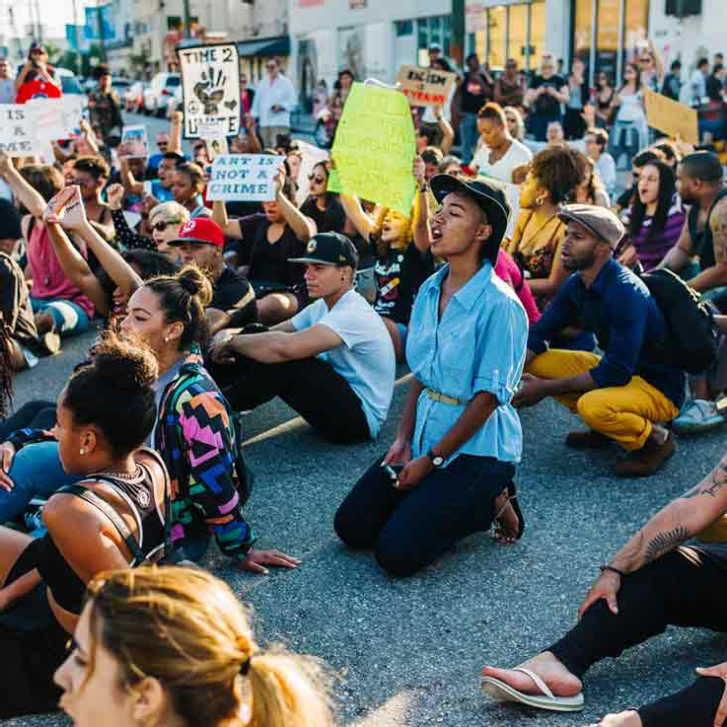
Protest actions seen as extreme and highly disruptive diminish popular support.
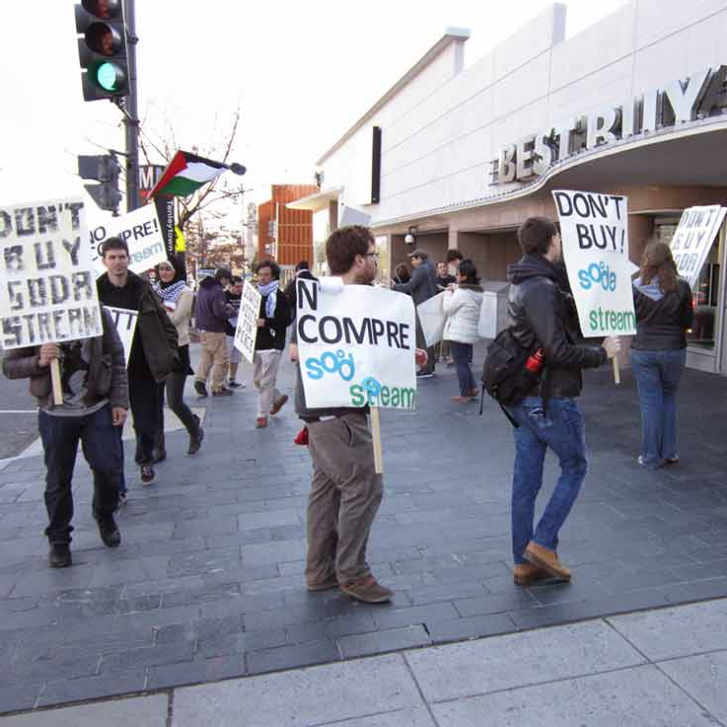
Social movement boycotts increase board turnover, especially when board members are sympathetic to the cause at issue.

By building strategic alliances with investors and shareholders, Indigenous Peoples are proactively protecting their rights by urging corporate respect of those rights in routine operations.
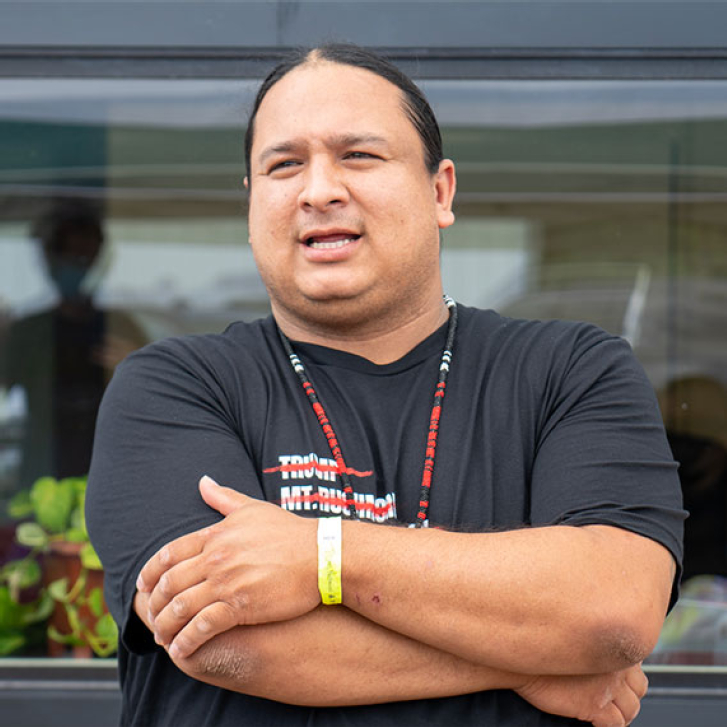
To solve the most pressing issues for Indigenous communities—and for the world at large—power and autonomy must be given to Indigenous people themselves.

Not only do Black-led nonprofits need lasting and long-term support, but philanthropy needs to wrestle with its past failures to invest in the very communities we claim to be working for.
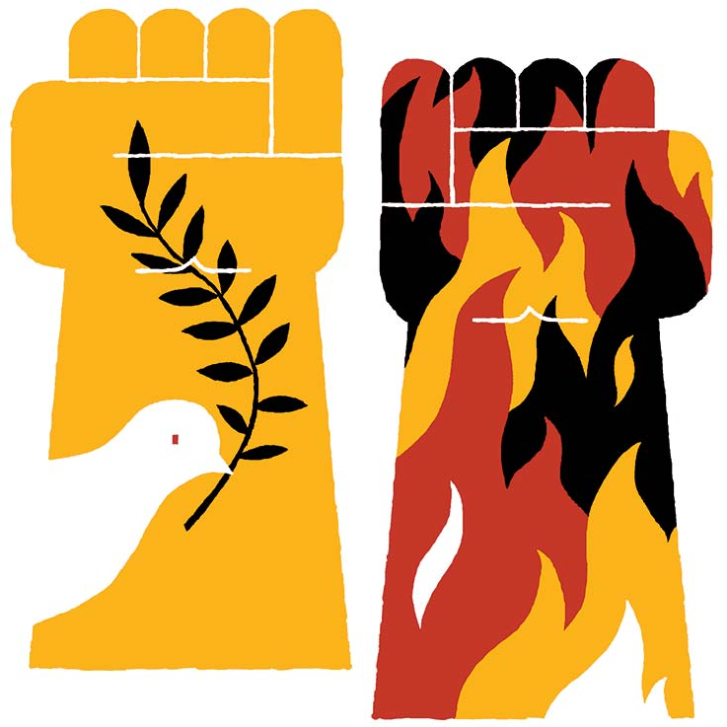
The Black protests of the US civil rights era influenced the national political agenda via the media coverage they received.

How Middlebury’s culture of collaborative, student-centric innovation lead to Energy2028, the phaseout of fossil fuel investments in the college endowment. Part of the Innovating Higher Education series.

Charitable organizations have become political intermediaries for corporations and other powerful interests. A research article in the Summer 2020 issue.

How Shared Hope International uses digital tools and meaningful grassroots experiences to activate support.